For retail and office managers in Orlando who face lost keys or compromised access, this article addresses practical emergency key control. I write from years on the job handling vaults, master-key systems, and frantic midnight calls, not from theory. Read on for practical steps, examples, and judgment calls that will help you regain control when keys go missing or access is threatened.
Why emergency key control matters for Orlando businesses
One misplaced key can turn into a liability faster than most managers expect. Whether you run a boutique or a multi-tenant office, losing key control creates similar risk profiles. Insurance can respond with higher premiums after a claim, and the financial hit typically exceeds the immediate cost of changing access hardware.
First response steps after a key goes missing
Call a local professional who answers 24 hours and specializes in commercial work, and prioritize containment of access. If the lost key is a master key or opens multiple doors, assume compromise and escalate to cylinder replacement or controlled-key hardware. Document the incident with time, who discovered the key was missing, and what areas the key opened, because good documentation speeds replacement and insurance claims.
How to determine whether you need a rekey or a full system change
A lost tenant key that only opens one office is a smaller problem than a missing master key, and your response can match that scale. For master keys, you should consider controlled-key systems or replacing cores to regain certainty rather than patch fixes. Decide by asking how many people would be immediately able to enter with the missing key, what assets are at risk, and how fast you can implement changes.
Remediation choices explained with real trade-offs
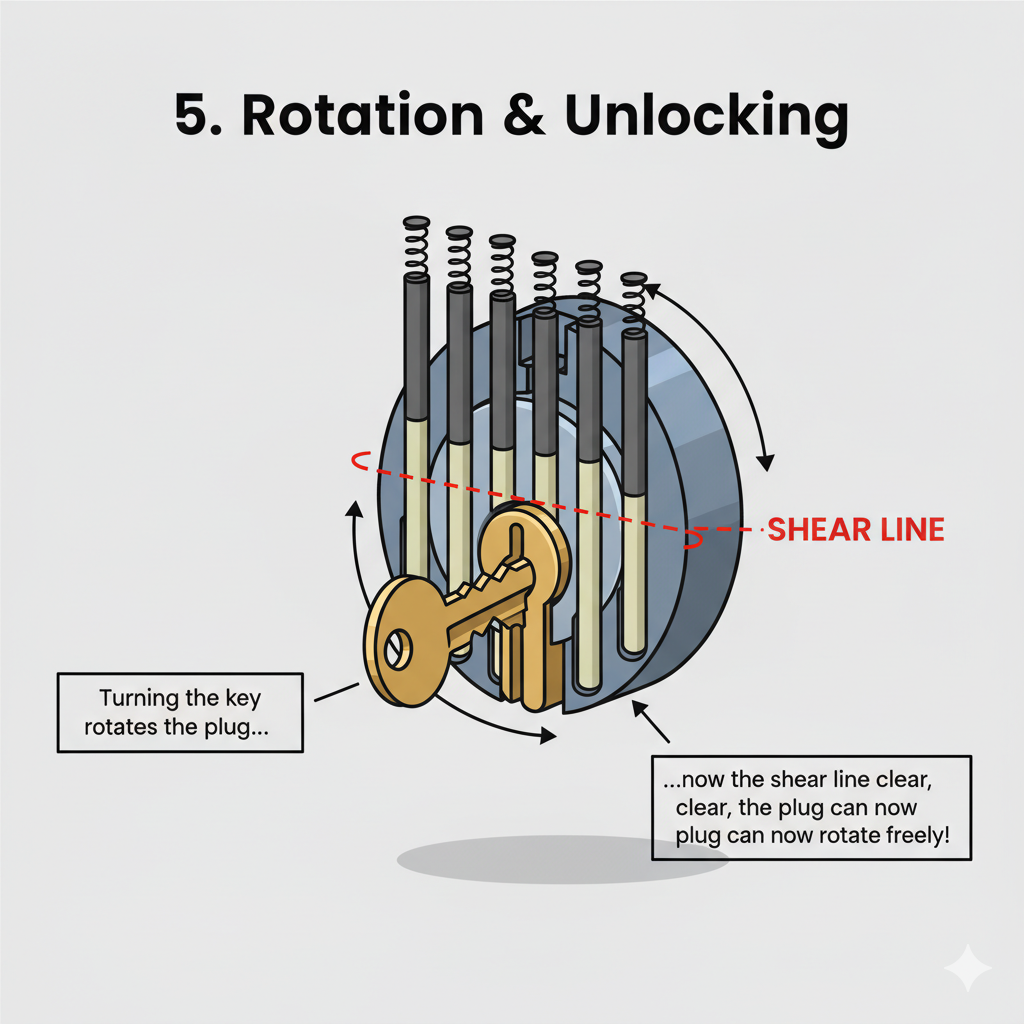
If the hardware is in good shape, rekeying is fast and economical, yet it keeps the same physical locks. Installing new cylinders swaps the core and provides a near-full reset of keys while leaving the original trim and latch in place. Moving to a restricted keyway or patented key system prevents unauthorized duplications, and that stronger control comes with higher hardware costs and sometimes bureaucratic steps. Electronic locks or badge systems remove many physical key headaches and provide logs, yet they require upfront investment and ongoing technical maintenance.
What to expect from a locksmith who advertises 24 hour service
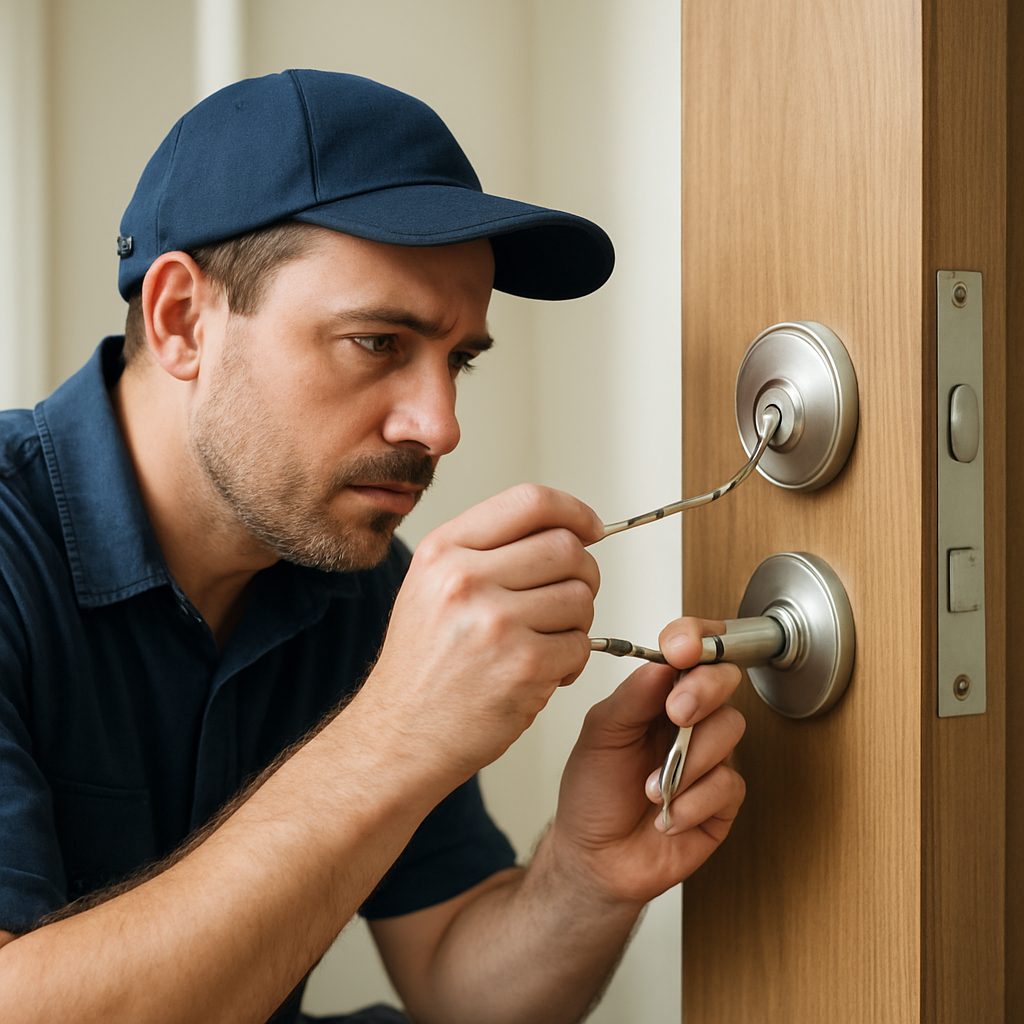
When you call a professional 24 hour locksmith Orlando teams, expect them to arrive with parts and a plan for limiting downtime. A good locksmith provides stopgap security to reduce immediate risk and then follows up with permanent fixes at a scheduled time. Request proof of insurance, commercial experience, and familiarity with insurance procedures, since claims are easier with a documented chain of custody and professional invoices.
Master-key system repair and when to rekey a whole building
If a single master key grants access across many doors, replacing or rekeying only a few cylinders can leave you exposed to overlooked vulnerabilities. Replacing the entire master system is the clearest way to regain trust, though it requires planning, downtime, and higher budget. When tenants share walls and corridors, coordinate with property managers and legal counsel to ensure access changes meet lease obligations.
Real-world scenarios where restricted keyways saved a business
A restricted system stops employees or outside actors from getting copies made easily because blank keys are restricted and require proof to order. A client of mine switched to patented blanks and saw a drop in unauthorized copies, largely because staff could no longer walk into a big-box store and order copies. Expect to trade flexibility for control, because restricted keyways require certified channels for new keys and additional purchase steps.
Electronic access as a longer-term strategy for emergency control
Badge or credential systems let you turn off an individual's access the moment a credential is lost, which is a major advantage during emergencies. When you go electronic, add battery backups, service agreements, and tested failover plans because hardware and network outages can otherwise create lockouts. Start with critical doors like inventory rooms and safe areas, and phase in common areas over time to spread cost and minimize disruption.
Training staff and tightening procedures after an incident
Put simple rules on how keys are issued, logged, and returned, and make lost-key reporting mandatory to react quickly. Train staff on why they cannot duplicate restricted keys and how to report suspected duplications, because knowledge prevents casual mistakes. A manageable key storage and sign-out procedure provides the trace you need when investigating a missing key.
Estimating costs and schedules from field experience
https://locksmithunit.com/locksmith-bay-hill-fl/Budget small rekey jobs in the low hundreds per lock, and plan for multi-thousand-dollar ranges when whole-system work is needed. Weigh the higher upfront expense of control systems against the recurring cost and risk of open duplication opportunities. When you need work outside normal hours, expect emergency callout fees, but remember that quick action often prevents larger losses that would cost more overall.
Real-life story: a late-night lost master key and how it was handled
A boutique I worked with misplaced a master key late on a Saturday and called an emergency locksmith who promised to secure the store until Monday morning. The locksmith installed a temporary core on the storefront door, secured the safe with a secondary lock, and scheduled a full rekey of the master system for Monday, which balanced risk and cost. By staging the response, the shop stayed open and regained full control during business hours, demonstrating how practical containment preserves operations.
Vendor vetting checklist that actually matters
Ask whether the locksmith has commercial master-key experience, carries commercial parts, and can provide references from other business clients. Make sure they show insurance documentation and provide a written cost estimate that separates emergency labor from planned replacement work. Be wary of technicians who will not share credentials, give unclear schedules, or upsell without justifying the work.
A final practical checklist to follow after a key emergency
Contact a commercial 24 hour locksmith with master-key and restricted-key experience as your first step. Secure or relocate high-value items immediately and document the loss with time-stamped notes and any relevant staff statements. Choose rekeying, cylinder replacement, or conversion to electronic access based on the key's reach and your risk appetite, and schedule the work promptly.
Fast containment, experienced technicians, and sensible long-term upgrades will convert a key incident into a manageable security project. Take the time to codify the lessons into a simple key control policy and a preferred vendor list so the next incident is routine rather than chaotic. Schedule an on-site assessment to create a plan tailored to your footprint and risk profile that balances cost, disruption, and long-term control.