If you run a small business in Orlando and need reliable rekey or lockout help, this page is written for you. I have spent seasons answering midnight calls, replacing cores, and training teams on what to expect when locks fail. Below you will find concrete scenarios, realistic price ranges, and the key questions to ask when a business needs an emergency locksmith or a planned rekey. After reading, you should be able to evaluate quotes, judge response promises, and decide whether rekeying or replacing is the right move.
Why changing cores protects your shop and staff.
Promptly rekeying following staff turnover reduces the odds that an old key grants future access, which is a common vulnerability. Owners put off rekeying to save money and then face higher costs if a key goes missing and access must be restored urgently. In storefronts and offices with keyed-alike doors, a rekey might be limited to swapping pins in several cylinders or require replacing cores for master key consistency. Any competent emergency locksmith will test the existing hardware and explain whether that hardware should be rekeyed or fully replaced to meet your security goals.
Emergency lockouts and realistic response times.
When you dial for an emergency locksmith at night, realistic arrival windows are often 20 to 45 minutes, with variation for distance and job queue. Clarify with the operator whether the arrival window is guaranteed, since guaranteed arrival times usually come with a premium charge. A 24 hour locksmith typically brings an array of standard cores and will perform a temporary or permanent fix on-site unless a unique or obsolete lock is present. Electronic or networked access systems require extra tools and possibly authorization codes, which increases the time and expense compared with a simple mechanical rekey.
Choosing a locksmith when your business depends on fast, reliable service.
Start by asking for local references and recent commercial job examples rather than generic endorsements. Make sure the locksmith has appropriate licensing if your municipality requires it and carries liability insurance to protect against accidental damage. Choose a provider that breaks down their fees into call-out, labor, and parts so you can compare apples-to-apples when reviewing bids. Check whether the locksmith offers written receipts and a clear warranty on parts and labor, because a warranty simplifies any follow-up work after a rekey or lock change.
How to decide between rekeying and replacing lock hardware.
Rekeying is usually preferable when the physical cylinders are sound and you need to change who has keys without disrupting a master-key structure. But if cylinders show wear, corrosion, or evidence of forced entry, swapping to new locks often makes more sense for durability and security. Cost-wise, rekeying a single cylinder can run from a modest flat fee up to a couple of times the price of a simple new cylinder, depending on labor and van stock, whereas complete replacements may cost more per door but reduce maintenance over years. In multi-tenant buildings, rekey decisions must factor master key implications and whether a selective rekey suffices or an entire core replacement is necessary for communal security.
Pricing expectations and how to read a quote.
Expect a commercial locksmith quote to include a call-out fee, hourly or per-interval labor charges, and separate parts pricing for cylinders or cores. Daytime rekey jobs normally cost less in dispatch and labor than those handled during nights or weekends, which carry surcharge pricing. If a job requires a replacement cylinder, expect mid-range commercial cylinders to cost more than residential hardware but less than high-security patented systems. Ask for a written estimate that spells out when surcharges apply, whether mileage is billed, and how many minutes of labor are included before additional charges kick in.

How a tech evaluates a commercial lock on a service call.
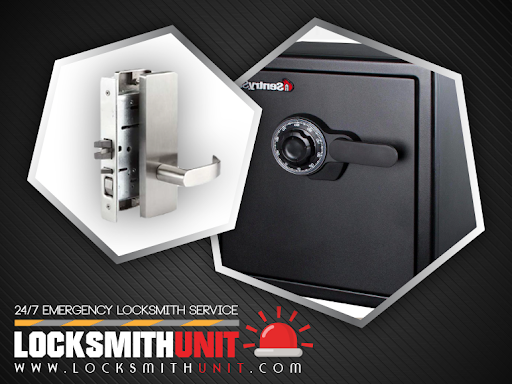
The initial check is to determine whether the door uses a mortise assembly, a standard cylinder, or an electronic strike, because the remedy depends on that. Mortise hardware can require more teardown and unique parts, whereas cylindrical locks are often handled quickly using on-van rekey kits and stocked cores. Electronic locks bring extra checks for power, controller compatibility, and credential management, and these steps lengthen the service call. A skilled locksmith will also check door alignment, latch condition, and strike plate installation because poor installation causes many repeat calls that a rekey alone does not fix.
Field notes from late-night jobs and planned rekeys.
A typical late-night story involved an owner using the wrong blank and damaging the cylinder, which meant we had to replace parts and extend the call-out time. On one job, failure to rekey promptly after tenant turnover allowed a former contractor to access the unit later, creating a theft investigation and a rushed full-core replacement. The lesson from these calls is simple: a smaller, planned expenditure for rekeying usually saves money and stress compared with emergency replacement or reacting to a loss. A practical rule is to record key allocations and trigger a rekey when staff leave or tenants turn over so you avoid frantic night calls later.
Security upgrades and when to consider restricted or high-security keys.
Restricted-key systems reduce unauthorized duplication by using patented blanks that only authorized dealers can cut, and they make sense for higher-risk sites. These systems cost more and require a longer-term view because cores and key control come with paperwork and inventory tracking obligations. For some storefronts, investing in high-security cylinders pays off because they add measurable resistance to common attack techniques that threaten standard cores. A local Orlando locksmith can show you compatible options and help evaluate whether the incremental benefit justifies the cost in your specific location and industry.
Operational steps that minimize locksmith costs and downtime.
Designate one person to control key distribution and keep an updated list of key holders so you can act quickly when rekeys or lockouts occur. Establish a standing relationship with one local locksmith instead of calling different services each time, because repeat vendors learn your building and speed up service. Teach employees how to secure keys and follow lockout procedures because weak operational practices are a frequent cause of security lapses rather https://locksmithunit.com/locksmith-buena-ventura-lakes-fl/ than mechanical issues. Insist on written records for master key changes and core replacements to preserve audit trails and simplify insurance claims if needed.
A short checklist to use when evaluating a locksmith call.
Determine if the problem is mechanical or electronic up front since electronic systems typically require more time and different expertise. Obtain a written breakdown of call-out fees, labor, parts, and surge charges to make cost comparisons accurate and transparent. Verify warranty coverage, proof of licensing and insurance, and the availability of service documentation before work begins. For frequent rekeys consider negotiating scheduled rates or a maintenance plan to stabilize costs and secure priority response.
If you keep these points in mind, you can find a reliable, local, and transparent Orlando locksmith suited for commercial rekey and emergency lockout needs. A measured approach saves money and minimizes disruption when a lock problem happens at night or during turnover. Contact a reputable technician, keep records of the work done, and make key control an operational priority so your staff concentrates on business instead of security headaches.